
skip to content

Lakeview Center logo

Adult counseling and mental health

For those coping with mental health issues, Lakeview Center provides comprehensive care personalized to meet your needs.

Mental health issues range in severity, and our caregivers are here with a broad scope of treatment options, including:

If medication is part of your treatment plan, we provide psychiatric care and medication management at varying levels of care. Many of our programs include options for virtual appointments.

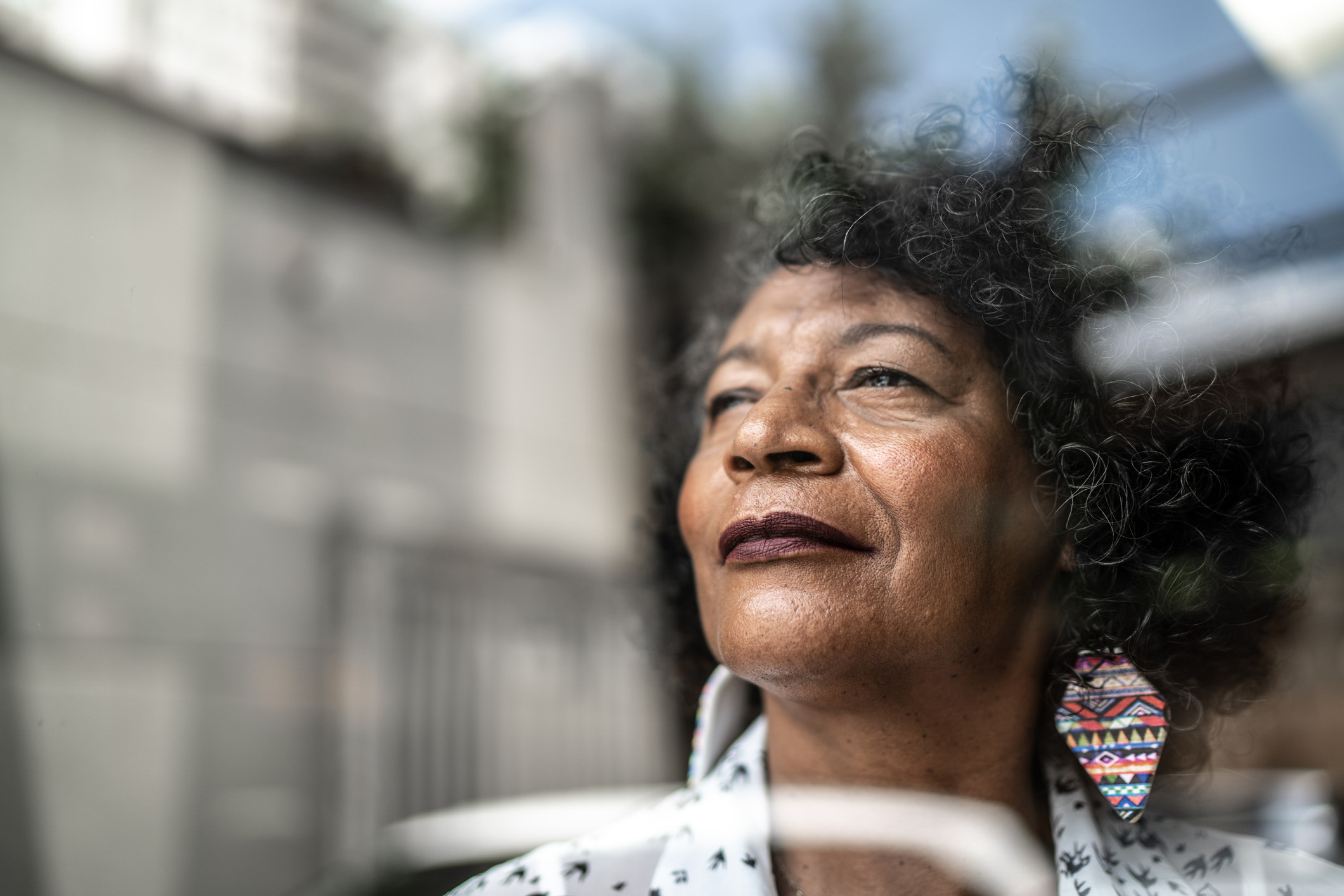
woman looking ahead to the future

Outpatient counseling

When coping with a mental health issue – such as anxiety, depression or grief – outpatient counseling can be a wonderful, supportive resource. Our specialized caregivers conduct evaluations and assessments, then work with you to personalize a treatment plan that meets your needs. Counseling and therapy are provided in both individual and group settings.

Case management, wraparound care and supportive living

Case management and wraparound care are available for those struggling with chronic mental illness or substance misuse who may need extra support in living independently in the community and managing their daily health needs.

Supportive living provides long-term community-based, scattered site living. The program provides both center-based services at our main campus and in-home supportive wraparound care to individuals who experience serious mental illness and or co-occurring substance use disorders.


Criminal justice support

According to the American Psychological Association, 50 percent or more of jail and state prison inmates nationwide face mental health concerns. Substance misuse is also common and often occurs alongside a mental health issue.

Lakeview Center offers specialized training for law enforcement officers, plus mental health and substance misuse care designed for those involved in the criminal or juvenile justice systems. Our Batterer’s Intervention Program serves individuals referred through the courts or community agencies, helping participants take accountability for abusive behaviors and develop healthier relationship skills